MDA ROCK
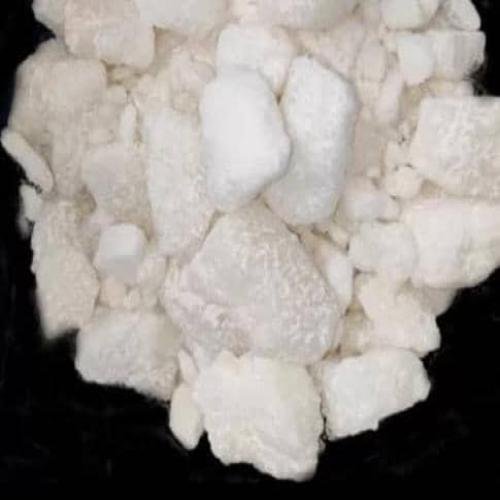
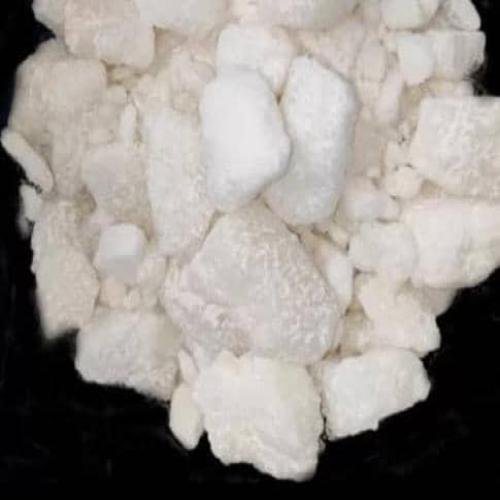
MDA, or 3,4-methylenedioxyamphetamine, is a psychoactive compound that belongs to the phenethylamine and amphetamine classes. Often referred to as “Sass” or “Sassafras,” MDA is chemically similar to MDMA (ecstasy) and is known for its stimulant and empathogenic effects. It was first synthesized in the early 20th century, primarily for potential therapeutic uses, but it gained popularity as a recreational drug in the 1960s and 1970s, particularly within the rave and electronic dance music scenes.
MDA is typically consumed in pill or capsule form, and its effects can be felt within 30 to 60 minutes after ingestion. Users often report heightened sensory perception, increased energy, and feelings of emotional closeness and empathy towards others. These effects can last for several hours, making MDA appealing for social and party environments. However, the drug can also produce side effects, including anxiety, paranoia, and physical discomfort, particularly at higher doses.
One of the significant concerns surrounding MDA is its potential for abuse and addiction. While it is not as widely used as MDMA, MDA can still lead to psychological dependence, and users may experience withdrawal symptoms when not using the drug. Additionally, the unregulated nature of the drug market means that MDA is often mixed with other substances, increasing the risk of adverse reactions and overdose.
The legal status of MDA varies by country, with many places classifying it as a controlled substance due to its potential for abuse and lack of accepted medical use. Research into the therapeutic potential of MDA has been limited, but some studies suggest it may have applications in psychotherapy, particularly in treating trauma and anxiety.
In conclusion, MDA is a powerful psychoactive substance with both stimulating and empathogenic effects. While it has garnered interest for its potential therapeutic uses, the risks associated with its recreational use necessitate caution and awareness.